What is a cyberdeck?
A cyberdeck is a computer, or device, that someone crafted by hand, usually with repurposed parts, rather than buying it off the shelf.
A cyberdeck often has a screen, some way of typing or pushing buttons, usually a battery, and a case chosen for how it looks and feels rather than needing to be mass produced.
The name comes from William Gibson's Neuromancer. In this 1984 novel, hackers jack into cyberspace using machines called "decks." Gibson never actually describes what a deck looks like: he only tells you that people carry them everywhere and would be lost without them. If you're a novelist, that's an efficient way to avoid describing a computer; if you're a builder forty years later, it's an invitation.
Gibson's ambiguity means that people today get to decide what cyberdecks are for themselves. Forty years later, people are still answering the question in printed plastic, cut aluminium and salvaged parts.
There's no official definition, no certifying body, and nobody is going to hand you a certificate. If you built it, and it does something you want it to do, it's a cyberdeck.
We reference William Gibson extensively in this zine. He's "the father of cyberpunk" and set in motion many of the tropes and ideas that would make their way into tech culture. The people leading the current interest in cyberdecks are mostly young, women, queer, trans and non-binary, using platforms like Instagram and TikTok and creating devices that respond to the unique needs and ideas of their own lived experiences, not just sci-fi fantasies.
Why?
Because the world is turning into an appliance.
A cyberdeck is a machine for the razorgirl, the console cowboy — anyone who'd rather own their stack than rent it. It's a refusal to use someone else's computer, play by their rules, join their system.
Cyberdecks are for hackers, nerds, queers, artists, and anyone who refuses the locked-down, corporate-owned, sanitized future. Build weird machines. Hack your hardware. Trust your technolust. Free your imagination.
Five kinds of deck
People use the same word for wildly different machines, which makes conversations confusing until you sort them by what the machine can actually do for you, rather than by what is inside it.
A computer you can live in
A big screen, a real keyboard and a full operating system. A laptop you made yourself. You could sit down at it and get a day's work done.
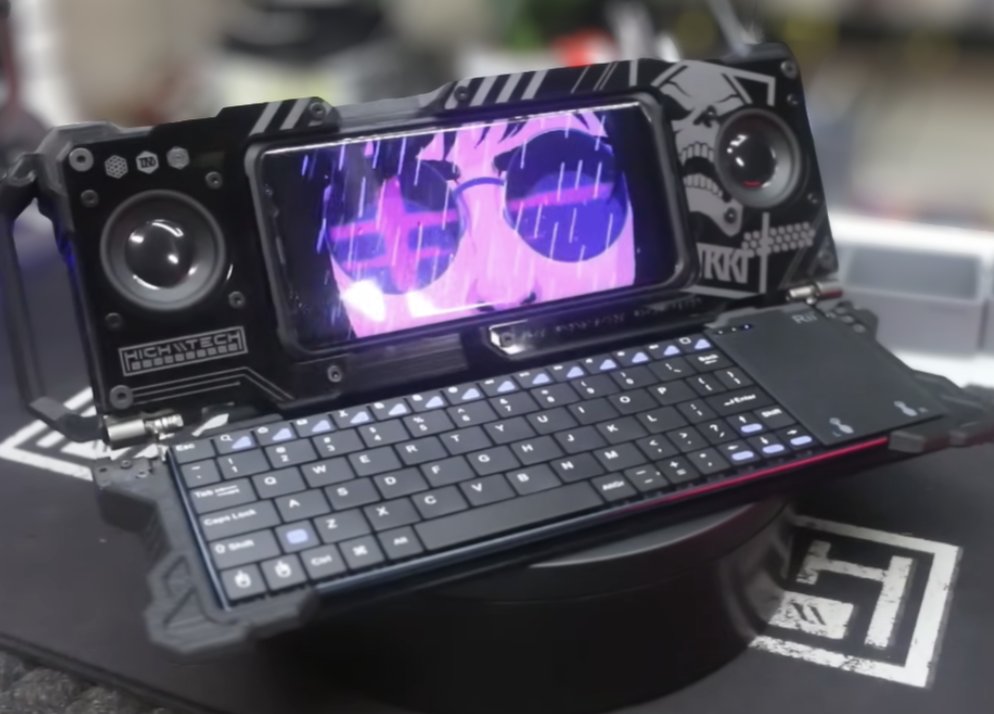
One that fits in your hands
The same software at paperback size, with a keyboard you work with your thumbs. Excellent for reading, punishing for writing.
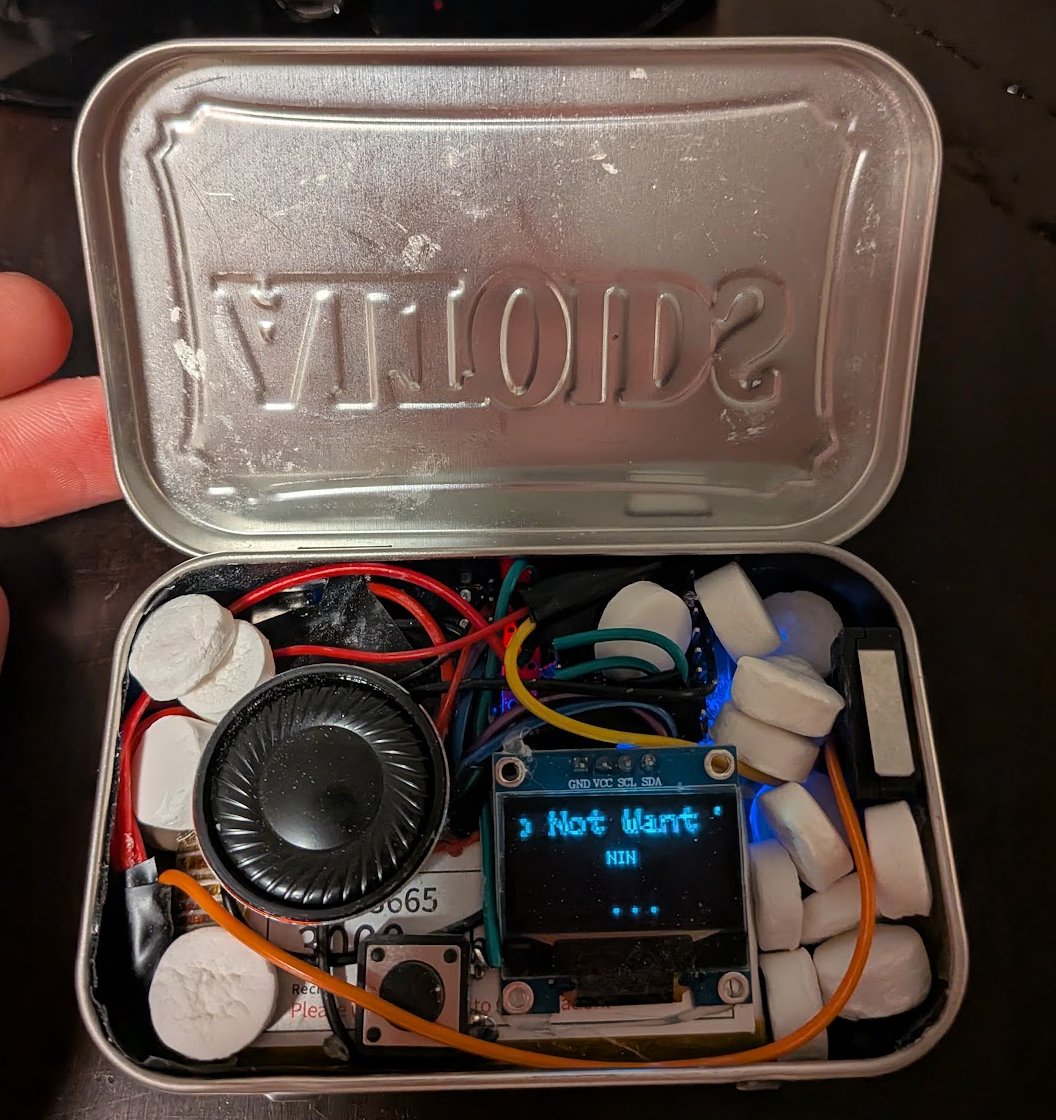
One with no operating system
A microcontroller costing a few dollars that still offers you a menu of things to run. Choose one and the whole machine restarts into it, far too quickly for you to notice.
One that is just a creature
No keyboard at all. One screen, one gesture. A message arrives and an object on your desk moves.

Super small
A single light. A buzz on your wrist. Nobody has found the bottom of this category yet, which makes it an excellent place for a beginner to build something genuinely new.
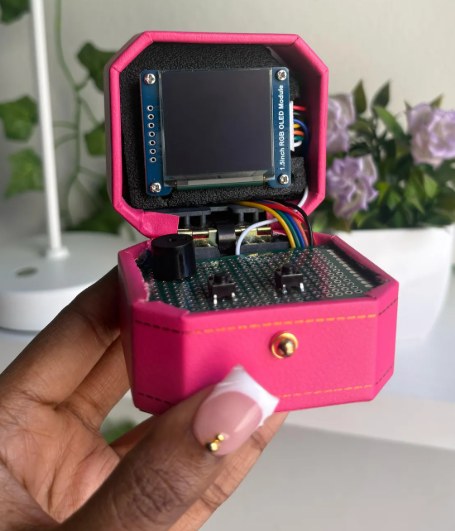
What kind of cyberdeck is it?
There is no single test. Four questions, taken together, tell you what you have built — and each one matters as much as the others.
Is there a keyboard you can really type on?
A full mechanical keyboard means you can write on it. A thumb keyboard means you can reply to things. No keyboard at all means the machine talks and you listen — which is a deliberate design choice rather than a failure. And now that machines are getting good at listening, plenty of decks just let you talk to them.
How big is the screen?
A small screen gives you one thing at a time, mostly text, and you lean in towards it. A big screen gives you two windows side by side and room to think. Worth settling before you spend anything.
Does it do one thing, or many?
Some decks run a full operating system and juggle a dozen programs at once. Others run exactly one program, forever, and are perfect at it. The second kind switches on instantly and never needs shutting down properly — a real luxury.
Can you write code on it?
This is the line most builders care about. If you can sit down at the machine and change what it does without reaching for another computer, it stands on its own. If you have to plug it into a laptop to change anything, you have built a device rather than a workshop. Both are fine. They are simply different animals.
Answer all four and you know what you have built. Answer none of them and you have still built a cyberdeck, because the bar, as established above, is that you made it and it does something.
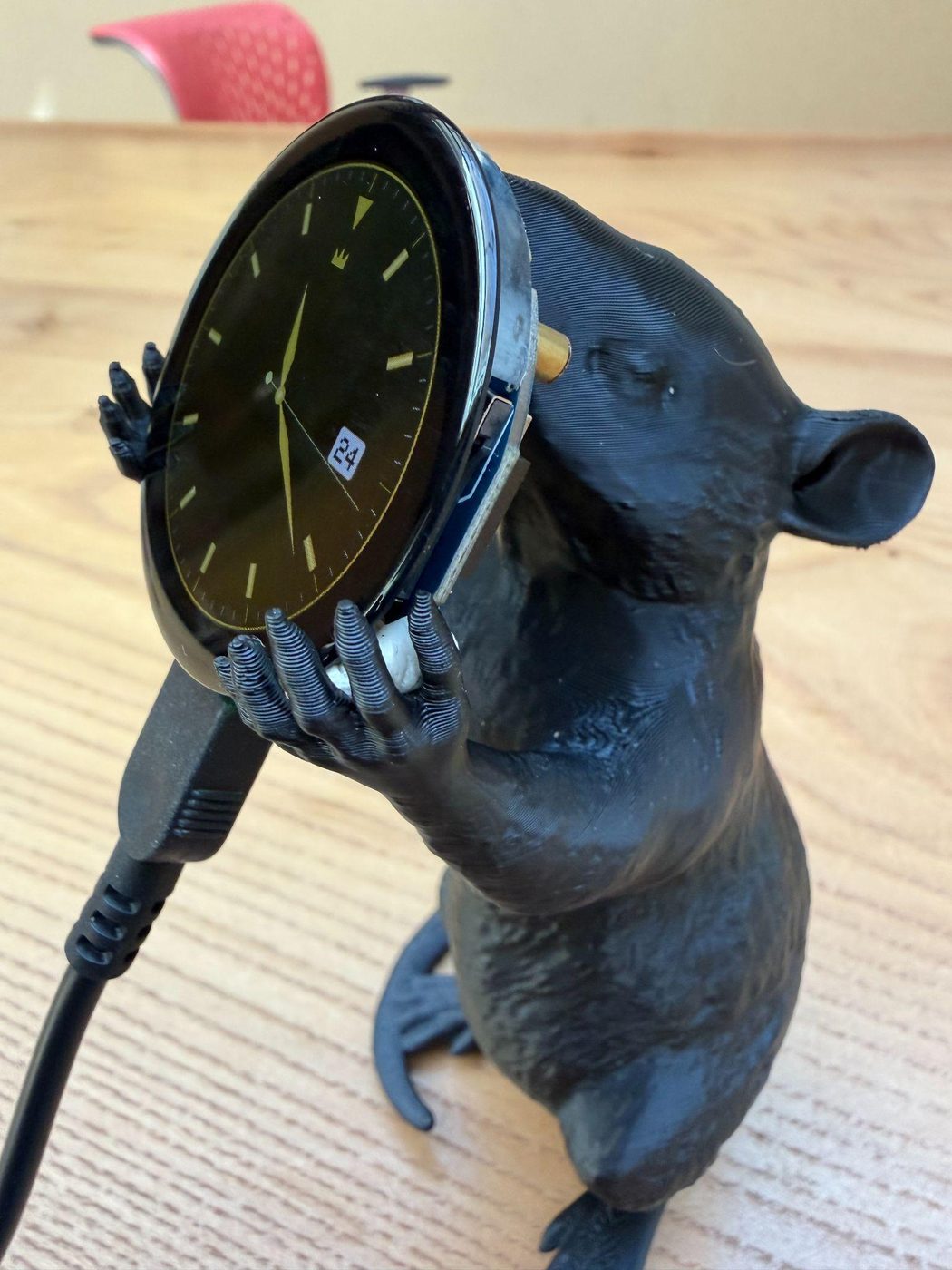
a worked example: the Maneki-Deko
The Maneki-Deko is a single-function cyberdeck inspired by the Japanese maneki neko — the beckoning cat that welcomes money and good fortune. It's built around an ESP32 microcontroller, a servo, a small display, and Wi-Fi. When friends text her, she waves her paw and shows the message on the display.
The body is a custom 3D-printed enclosure that houses a modular chassis reusable across other cyberdecks.
A message lands, the paw waves.
Seize the means of computation▊ Cory Doctorow
DIY culture
Nobody is going to sell you the thing you actually want.
That is the whole premise, and it is less a complaint about companies than a matter of arithmetic. The machine that fits your hands, your bag and your one peculiar use case has a total market of one person. Nobody is tooling a factory for that. So you build it, you publish it, and then someone else changes three things and builds a better one.
"…jacked into a custom cyberspace deck that projected his disembodied consciousness into the consensual hallucination that was the matrix." William Gibson, Neuromancer, 1984
Note the word custom. It sits right there in the sentence that gave this hobby its name. The deck in the book was never something bought off a shelf; it was modified to fit one person's work. Every build since has been arguing with that sentence.
This is a hobby that runs on other people's mistakes, generously described. Plenty of the projects you will build on top of are half-finished, last updated four years ago, or missing the one file you need. That is what human-made hardware looks like, and it is worth knowing before you plan a weekend around a stranger's instructions.
Hacking
Hacking, in this zine, means making something do what you want it to do.
Sizing a keyboard to match a screen you already own. Choosing a squared-off keyboard because the ordinary kind will not fit in the lid of the case you like. Every good build contains at least one decision like this, and those decisions are the interesting part of any build. Not the parts list. What the builder did when the parts refused to fit.
Mostly, though, it looks like four people at a table with one soldering iron between them, disagreeing about where the power switch should go.
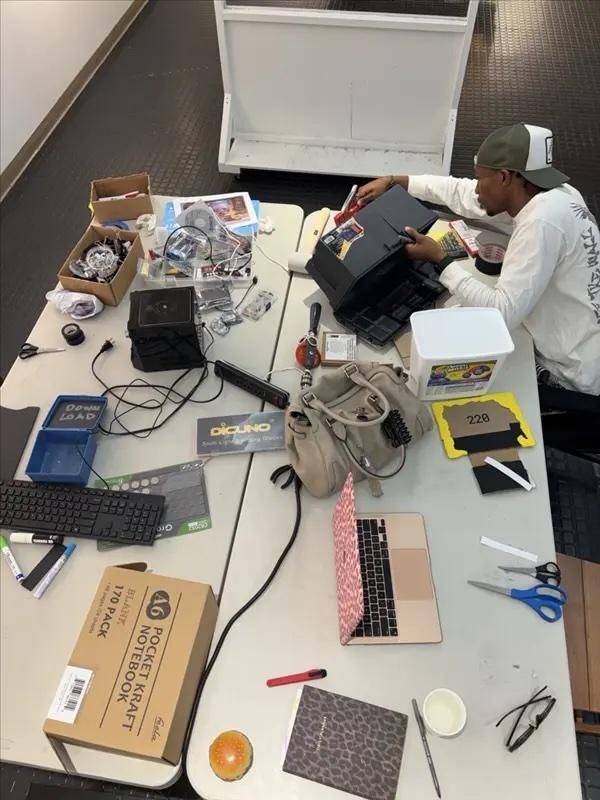
Hacking found objects
The best part in your project is usually one that already exists, and very often one that someone else threw away.
New parts are the boring answer. They arrive in a bag, they look like every other part in every other bag, and they cost money. A salvaged part arrives with a shape, a history and a set of constraints attached — and constraints are what make a design interesting.
a worked example: the receipt printer
Kate Bailey, who runs these workshops, made a piece called Is It Listening? A language model she wrote runs on a tiny computer wired to a hacked receipt printer. The whole assembly is tethered to a helium balloon, so it drifts around a crowded room, catches fragments of overheard conversation, and prints them onto a long ribbon of receipt paper.
Nothing in that description needed to be a receipt printer, which is exactly why it works. A screen would have made it a gadget. Warm paper curling onto the floor in a room full of people talking makes it something else entirely.
Receipt printers are a gift for this kind of work. Retail throws them out constantly, so they turn up second-hand everywhere and cost almost nothing. There is no ink to buy, only heat-sensitive paper. They understand a simple, well-documented set of commands, so getting one to print from your own code is an evening rather than a project. And paper coming out of a machine feels nothing like pixels.

"The concept of customizing the world around us is one of the things I'm about in life. I want people to see this stuff and think: why can't my phone charger be a quartz crystal?" Kate Bailey
Where the parts come from
Kate's studio walls are lined with organizers full of components harvested from second-hand devices and e-waste rather than ordered from a catalogue. This is a completely normal way to stock a workshop.
Worth pulling out of dead things:
- Screens, from broken laptops, phones and digital photo frames
- Motors, from printers, scanners, toys and disc drives
- Speakers and buttons, from anything that made noise
- Power supplies and cables, from everything
- Hinges, latches and knobs, from the case itself
- The case itself, which is often the actual prize
Where to look: thrift stores, estate sales, e-waste bins, the free pile, retail clear-outs, your own closet.
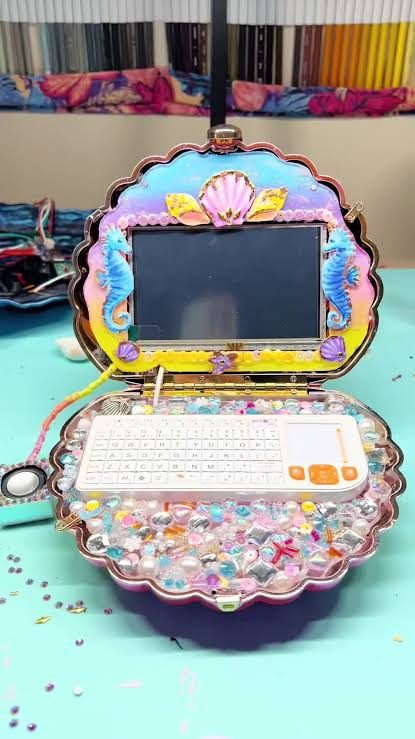
For the workshop… bring an enclosure from a thrift store, or something you already own. Something with an opinion already baked into it: a lunchbox, a cigar box, a hard camera case, a rotary telephone, a seashell handbag.
Resistance
Every time you buy some tech or use some software, you're voting with your dollars.
When Cam Smith learned that Spotify's CEO Daniel Ek had invested over half a billion dollars in Helsing, a military AI company, he jumped off the platform. Not wanting to miss out on music, he returned to what he'd done in his high-school days before big streaming took over: he started downloading a lot of music files.
The only logical conclusion to that exercise was to escape the corporate hardware environment too. He soldered together an ESP32, a battery, an OLED screen and a battery inside an Altoids tin — the mintp3 cyberdeck. A custom music system that isn't renting anything from anyone.
Y2K aesthetic
Modern computers are smooth grey slabs that hide everything they are doing. The cyberdeck look is the precise opposite: visible screws, chunky switches, ribbed plastic, warning labels nobody strictly needs, see-through cases, green or amber text, and cables you can watch going somewhere.
It reads as Y2K:
- Old science fiction. Blade Runner, Alien, the original paperback covers. Beige, industrial, screens set into panels like instruments.
- See-through 90s plastic. The candy-coloured translucent era, when computers briefly admitted they had insides.
- Actual field equipment. Waterproof cases, rubber-booted toggle switches, stencilled labels. Gear built to be used outdoors, by someone in a hurry, without looking down.
The other reason it survived is that it looks fantastic, which is a completely legitimate reason to build something. Elsewhere in this hobby: a deck built into a pink seashell handbag, one built around the guts of a cash register, another wrapped in a resin Luigi shrine. Nobody involved is being sensible, and that is correct.
"Remember to imagine and craft the worlds you cannot live without, just as you dismantle the ones you cannot live within." Ruha Benjamin — Professor of African American Studies, Princeton;
author of Race After Technology (2019)

Programming — what can you build with Python?
Python is popular in the cyberdeck community because the same language can power simple text interfaces, touchscreen control panels, and physical hardware with a Raspberry Pi. Three approaches, ranging from a few hours' work to more ambitious builds that need additional time and experience.
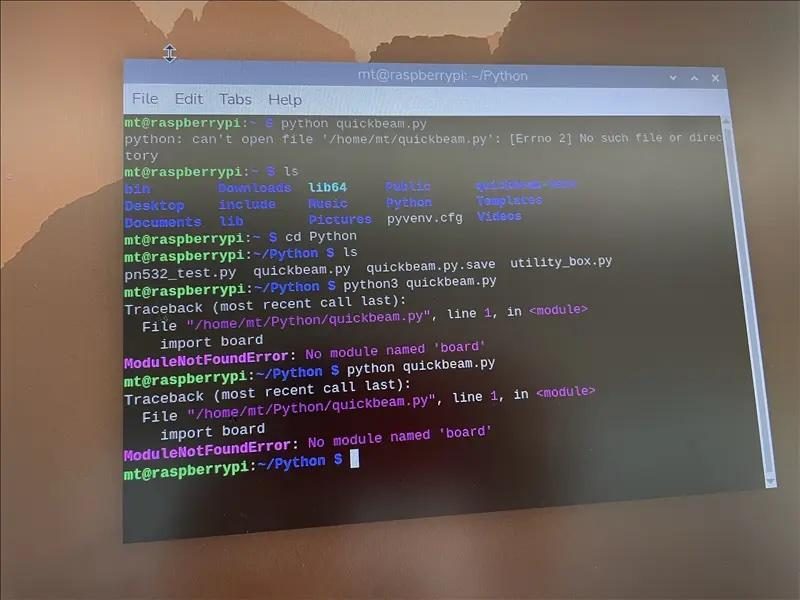
Option 1 — a field computer feel
Build a text-based interface that makes the cyberdeck feel like a functioning field computer or text game. Coding basics carry you a long way: user login, text game, file menu, random oracle, field log.
print()input()variablesconditionalsloopsfunctions

Option 2 — a control panel
Use Tkinter to build a button-based interface for a touchscreen. Large buttons work well even on tiny screens. Try Mission Control (navigation, mission log, comms) or a Grimoire (spells, potions, plant inventory, map).
Tkinterwindowsbuttonslabelsimagesevent handling
Option 3 — the deck comes alive
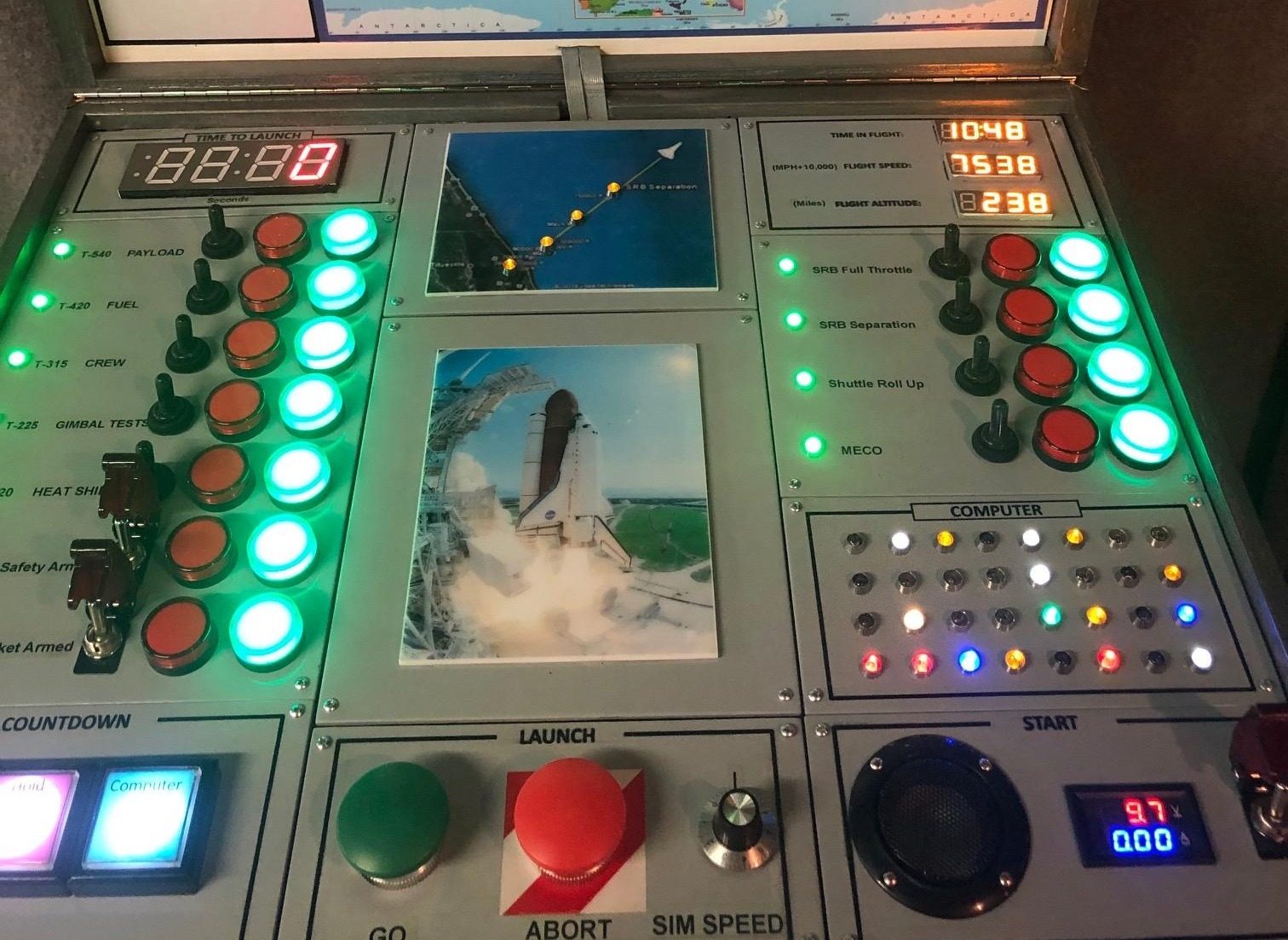
Use Python on a Raspberry Pi to connect the cyberdeck to physical hardware. Sensors and switches control what happens on the screen; input makes attached butterfly wings flap, lights respond, gauges move, motors spin, speakers play.
GPIOsensorsmotorslightsevent handling
Geppetto-Like Taxidermy: Transfiguration
Cathy McClure
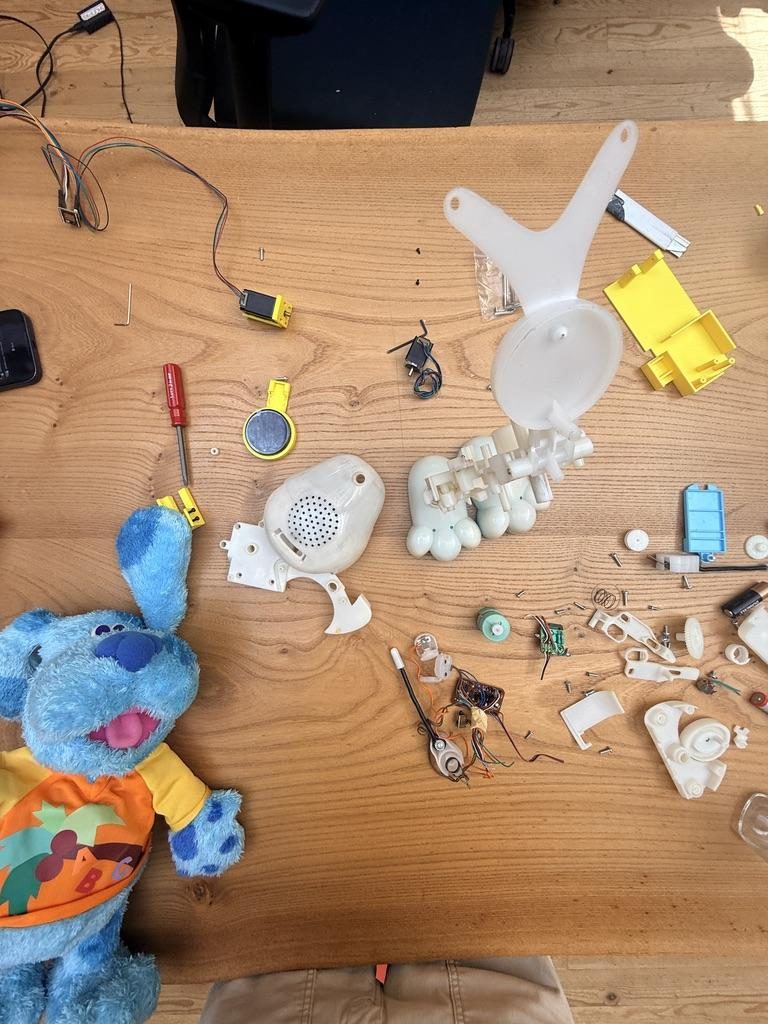
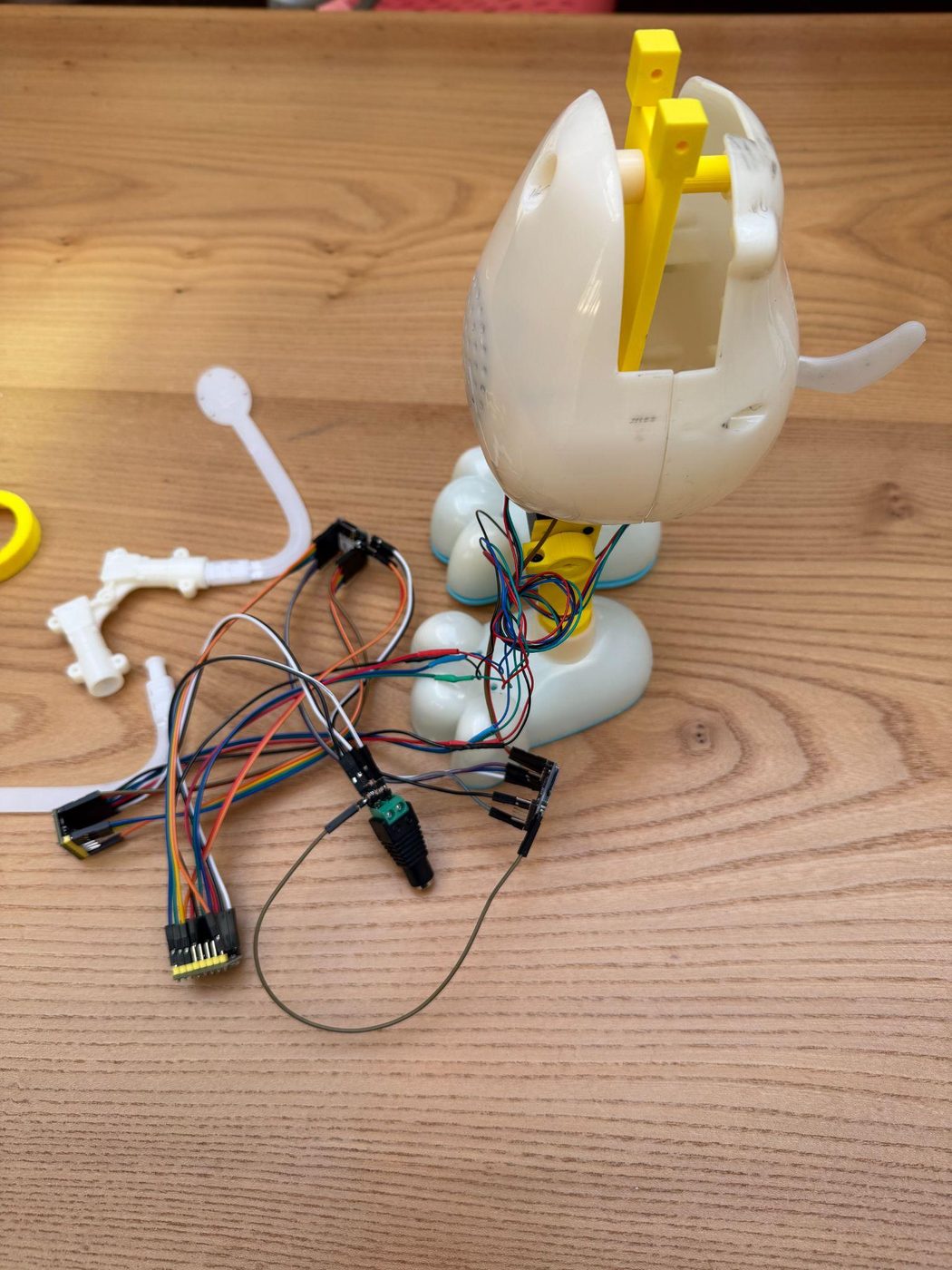
Mass-produced kinetic plush toys, forensically excavated and resuscitated, their fluffy exteriors stripped away to reveal intricate armatures never meant to be seen.
At the Open House: a live evisceration, alongside completed works and ChimeraBot, a collaborative cyberdeck build in progress.
Cyberdecks offer a chance to reclaim the disregarded. New motors, a custom 3D-printed chassis, microprocessors, synthesized voices, and computer vision replace a toy's guts. Code directs its facial expressions, screen behaviors, motion, and responses. A throwaway object becomes an entity with its own perceived agency.


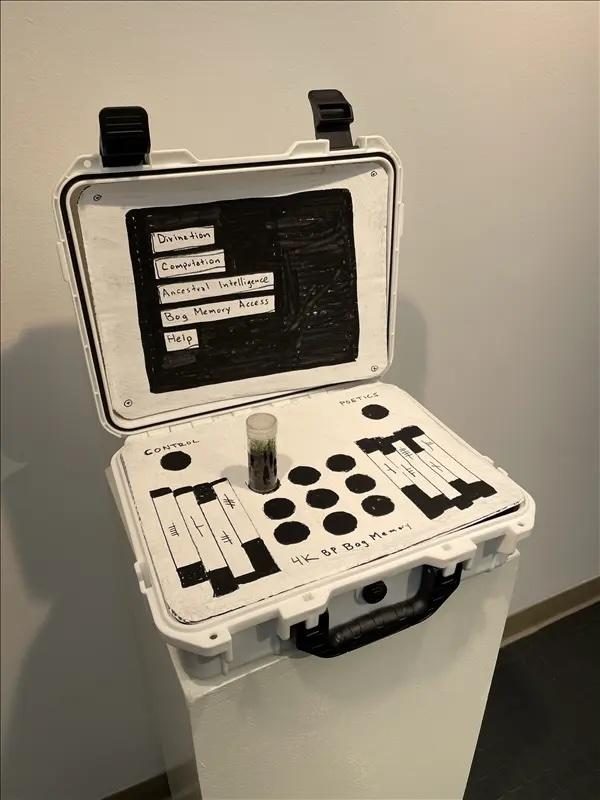
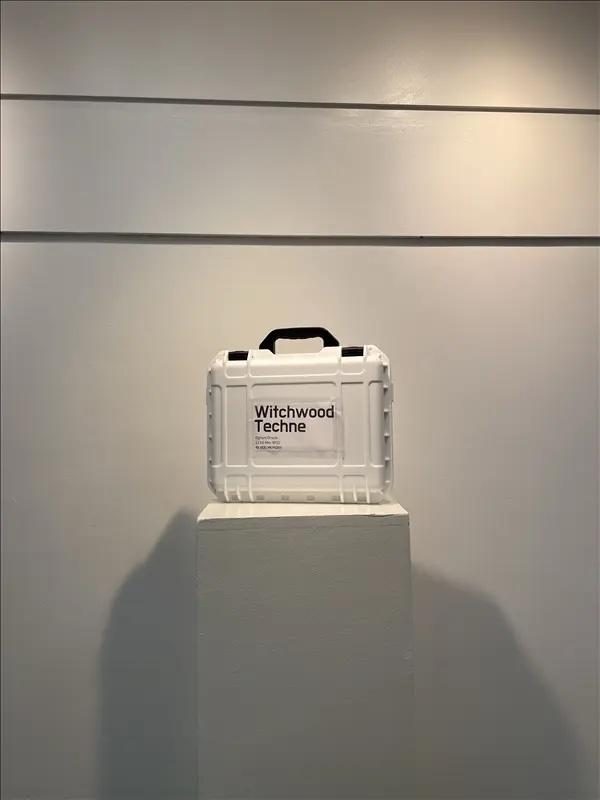
Witchwood Technē — a work in progress
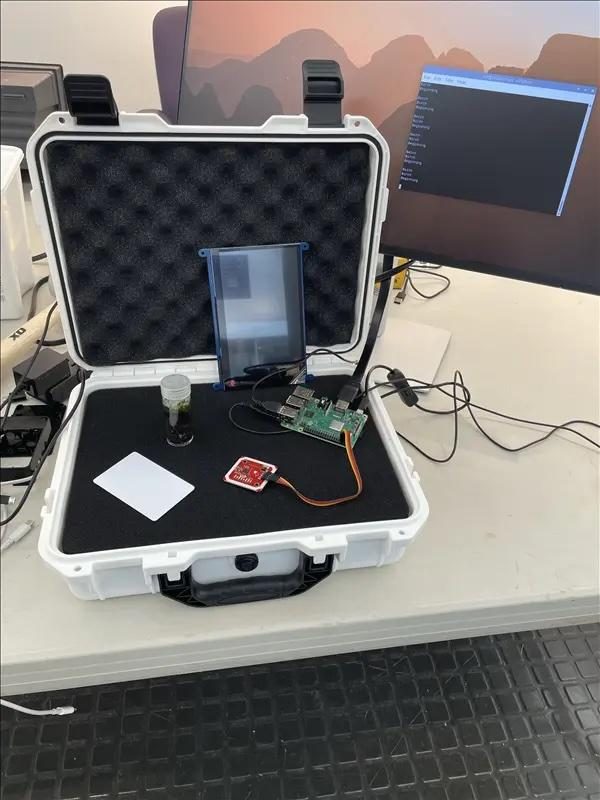
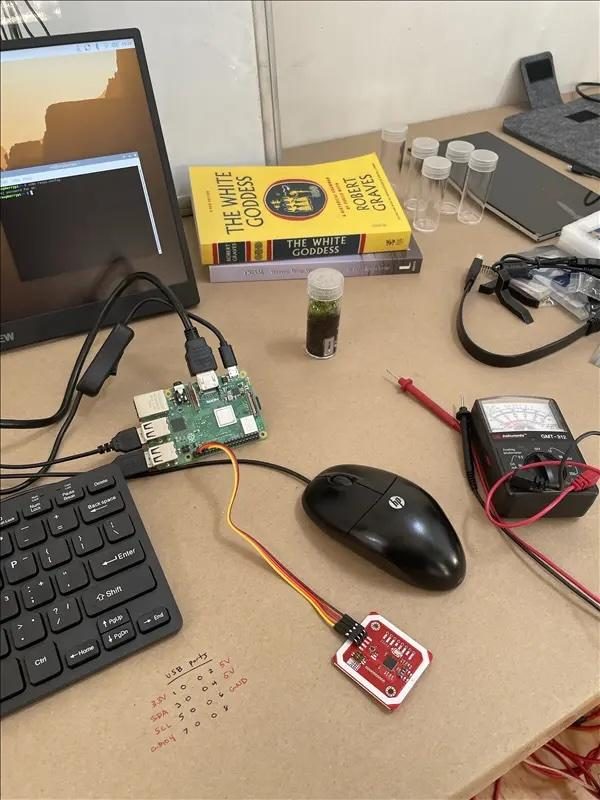
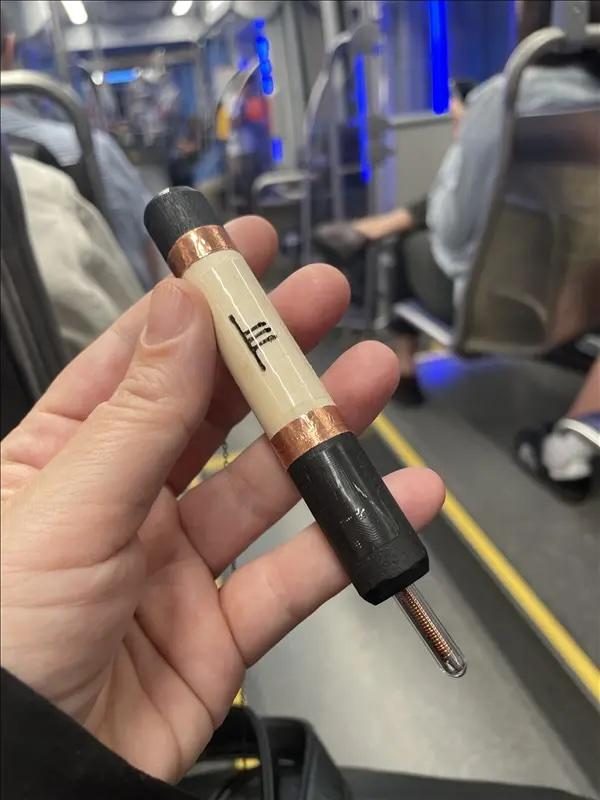
Meghan Thréinfhir's cyberdeck uses Ogham, RFID-tagged staves, miniature bogs, Python and Raspberry Pi to explore how different languages and symbolic systems shape our interactions with technology. Wands carved with Ogham characters trigger different menu items when tapped against the reader — divination, computation, ancestral intelligence, bog memory access.
"Cyberdecks offer a chance to reclaim the computer as a personal, modifiable object: a feral system. By using Ogham as an interface, I'm interested in how different languages and symbolic systems might transform the underlying structures of computation." Meghan Thréinfhir
Conclusion
Cyberdecks aren't really about computers. They're about refusing the idea that technology should only come from companies, sealed shut and impossible to change. Build something useful. Build something ridiculous. Build something that exists for only one person: you.
Start with whatever you have. An old lunchbox. A broken toy. A discarded screen. Write some code. Solder a few wires. Make mistakes. Find out why. Then build the next one.
Hack the planet. ♡
join us
hands-on cyberdeck-building workshops coming this fall
led by Kate Bailey · Meghan Thréinfhir, with support from Cam Smith
jump into the chat ♡ get on the mailing list ↗
sign up to hear when registration opens
✧ COMING SOON ✧
watch xispa.art/workshops for dates
Our Cyberdeck Exploration Open House was August 27 — thanks to everyone who came ♡